You are here:
- Home
- Saving Our Environment
- Freshwater
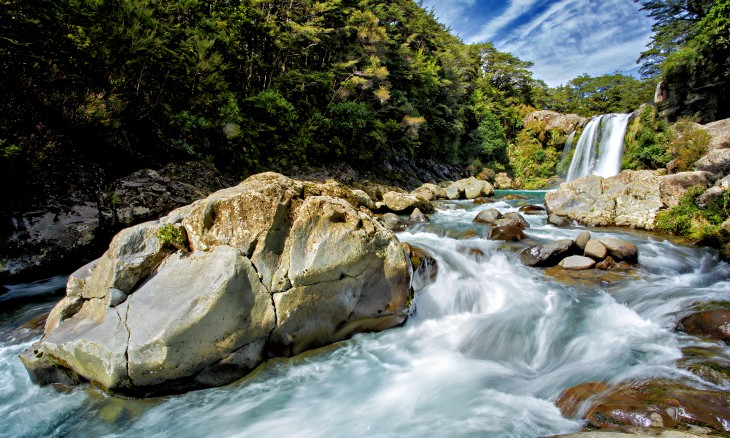
Many people think of New Zealand, with its temperate climate, as having virtually limitless water resources. And with our clean, green image, most people imagine that our lakes, rivers and streams are pristine and safe to swim, fish and boat in and drink from.
Unfortunately the reality is far from that ideal. The quality and quantity of our freshwater is under increasing pressure:
- Run-off of agricultural nutrients and effluent has a serious impact on the quality of water in many of our waterways, threatening the native plant and animal life that lives there and posing a danger to human health.
- Some of our lake ecosystems are in total collapse due to high nutrient levels from run-off which causes massive growth of algae and depletes the lakes’ oxygen.
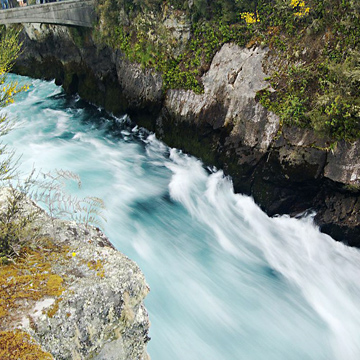
- Increasing frequency and intensity of drought due to climate change means flows in our rivers are greatly reduced, again threatening river life such as eels and birds that nest in braided river beds.
- Increased demand for water for irrigation, particularly from our rapidly-expanding dairy industry, and for hydro development, also threatens our river flows and freshwater habitats.
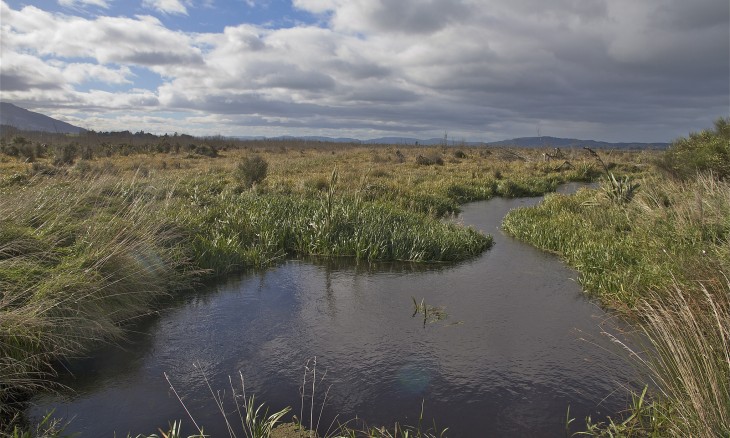
- More than 90% of New Zealand’s wetlands have been drained to make way for farming and development, destroying precious habitat for native species.
- Damming rivers for hydro development can “drown” whole river valleys – for example a proposal to dam the Mokihinui River on the West Coast would flood 330ha of forest and riverbed which is home to kiwi and blue duck.
- Discharges from urban sewerage systems and industry also pollute our waterways.
Blue duck (whio) – an alpine freshwater dweller
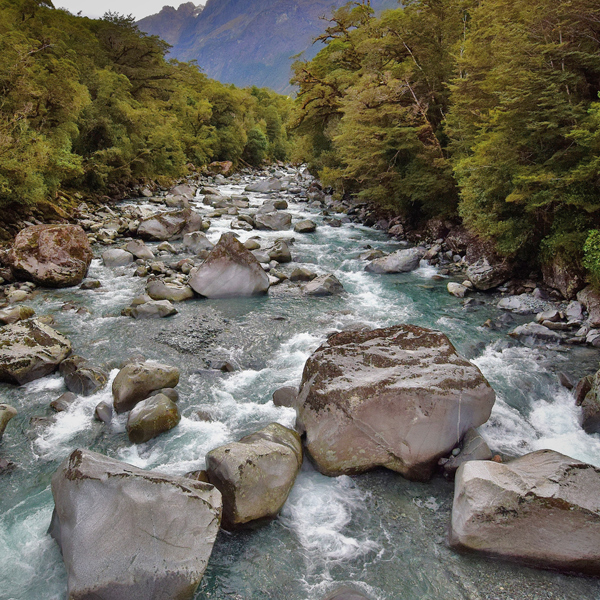
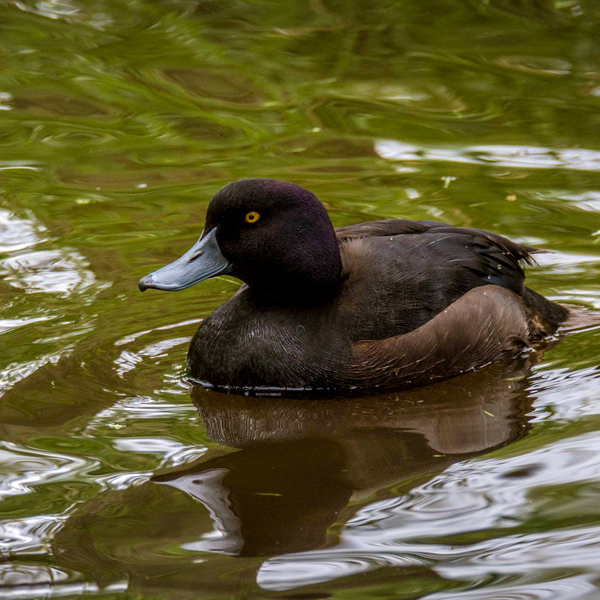
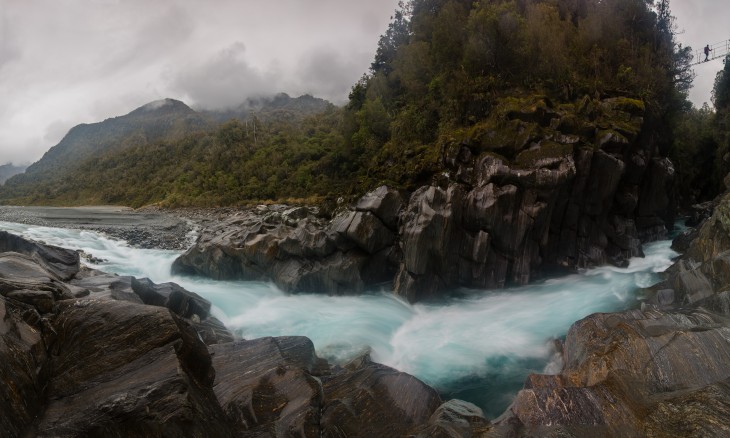
Much of our rainwater and snow melt flows from our steep mountain ranges, creating swiftly-flowing rivers and streams. The blue duck or whio is one of only three species of duck in the world that lives among fast-flowing torrents – they navigate and feed among turbulent rapids with ease. Hydro development has significantly reduced fast-flowing river habitat that blue ducks depend on – we need to protect these rare and unique ducks from further freshwater habitat loss.
Wrybill (ngutuparore) – a braided river dweller
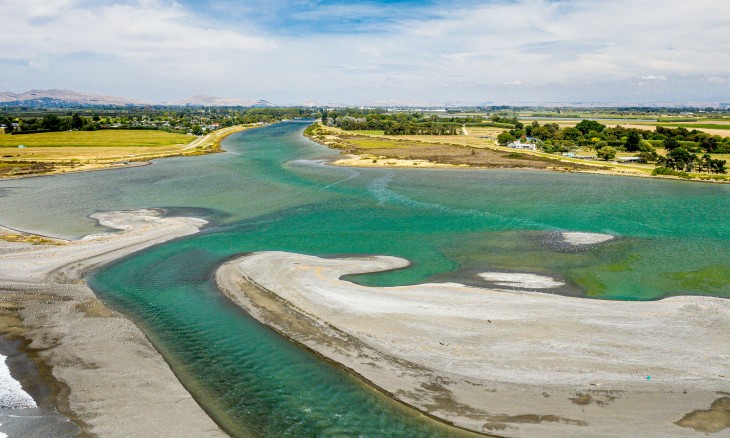
New Zealand’s unique braided rivers are home to some of our most threatened native bird species, such as the wrybill. The wrybill is named because its beak curves to the right – it is thought that this helps it search for food under riverbed stones.The wrybill and other rare native birds such as the black stilt and black-fronted tern nest on the shingle beds of the South Island’s braided rivers.Damming of rivers for hydro development and reduction of river flows for irrigation reduce the “braids” of the rivers, leaving the birds’ nests vulnerable to predators. Lower river flows and pollution also affect the birds’ food sources.
Australasian bittern (matuku) – a wetland dweller
Australasian bitterns are mottled brown with a cream throat, long legs and neck. They are related to herons, but are more thickset. Extremely shy, they hide among wetland raupÅ and reeds, often standing stretched upwards to merge with the reedy background. They are so hard to spot that you are far more likely to hear their distinctive booming than see them. Destruction of wetland habitat threatens bitterns and other wetland birds, insects and freshwater fish that need our few remaining wetlands to survive.
Eels – river, lake and wetland dwellers
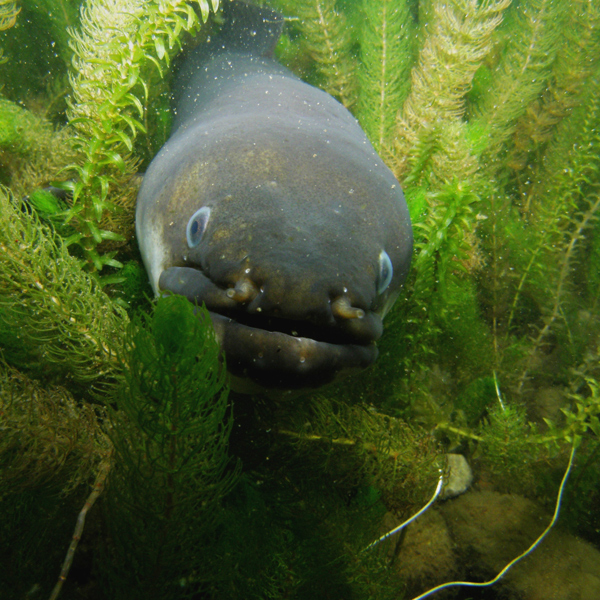
New Zealand shortfin and longfin eels live in lakes, rivers and wetlands around New Zealand but are in decline due to commercial fishing, damming of rivers, pollution and habitat loss. They are long-lived – perhaps up to 100 years old – and travel far into the Pacific at the end of their lives to breed and die.Other native freshwater fish also face the same threats as eels and are also in decline.
What Forest & Bird is doing
Forest & Bird is working on a variety of campaigns and projects to protect and restore our rivers, lakes and wetlands, including:
- We are running a campaign to Save the Mokihinui River on the West Coast from being dammed for hydro development
- We are running a longfin eel petition. This petition calls on the Minister of Fisheries, Hon Phil Heatley, to place a moratorium on commercial fishing of our endemic, endangered longfin eel to prevent its extinction Sign this petition now.
- We support a National Policy Standard for Freshwater Management that protects ecological values of our freshwater resources from inappropriate development.
- The Government released its standard in 2008 which is a step forward, but it still needs to be more specific, with five-yearly milestones, to deliver adequate protection.
- We are calling for a National Policy Standard under which, by 2035:
- All rivers and lakes should support healthy ecosystems – the insects, fish, birds and other living things that depend on them.
- All rivers and lakes should be safe to swim in.
- All rivers and lakes should be safe for gathering food, whether it’s trout, eel, puha or freshwater mussels.
- All groundwater must show stable or improving trends of water quality.
- We are working to ensure that regional councils improve monitoring and enforcement of freshwater standards.
- We make applications to support Water Conservation Orders on rivers such as the Hurunui to protect them from inappropriate development.
- We make applications for international recognition under the Ramsar Convention for wetlands of international importance.
- We work on hands-on projects restoring wetlands and stream and riverbanks.
- We work to ensure that all signatories to the Clean Streams Accord are meeting their obligations. The Clean Streams Accord encourages farmers to clean up their act on agricultural run-off, to fence off waterways and to do riparian planting to protect our rivers and lakes