
Why it matters
Marine reserves are the ocean equivalent of national parks and mean marine life can breed and regenerate with less disruption from humans.
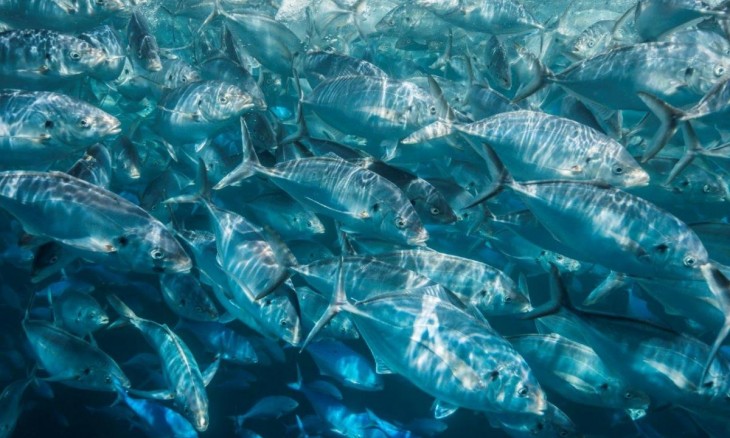
Marine reserves are ‘no take’ areas protected from the sea surface to the seafloor where no fishing or removal of any other material is allowed. Diving, swimming, boating, snorkelling and other activities that don’t harm marine life are allowed in marine reserves. Much of our scientific understanding of oceans comes from studying protected reserves.
New Zealand has rights over an enormous area of ocean called our Exclusive Economic Zone, and it’s one of the largest in the world. But we’re not doing a very good job of looking after it. Less than half a per cent of our marine environment is fully protected, and nearly all of that is found around distant islands like the Subantarctic islands in the south and the Kermadec Islands to the north. Just a fraction of our mainland waters are protected.
New Zealand needs more reserves to represent all of the many types of ocean environments and to protect our amazing diversity of resident and migratory marine species.
Whales, dolphins, seabirds, fish and other marine life don’t just stay in one place and small, poorly designed, or disjointed reserves don’t do much to protect them. This is why marine reserves need to be created in a meaningful network.
Credit or caption
Rachel Anderson-Smith speaks about the incredible impact of Taputeranga Marine Reserve in Wellington, and the importance of protecting our ocean.
Forest & Bird is a strong voice for better marine protection
- We were involved in the creation of New Zealand’s first marine reserve at Cape Rodney-Okakari Point near Leigh, and many others around the country
- We’re working to secure the first marine reserves on the South Island’s south-east coast
- We advocate for the creation of the Kermadec Rangitāhua Ocean Sanctuary
- We are supporting Motiti Rohe Moana Trust in a precedent-setting legal case over whether regional councils can control fishing activities
- We lobby for robust marine protected area legislation, to enable the creation of more and better marine reserves
Forest & Bird are vocal, expert advocates for better protection of our seas and oceans and the animals and plants that depend on them. You can help us.