Pelorus catchment area, or Te Hoiere, is home to one of the last remaining populations of long tailed bats in the Top of the South.
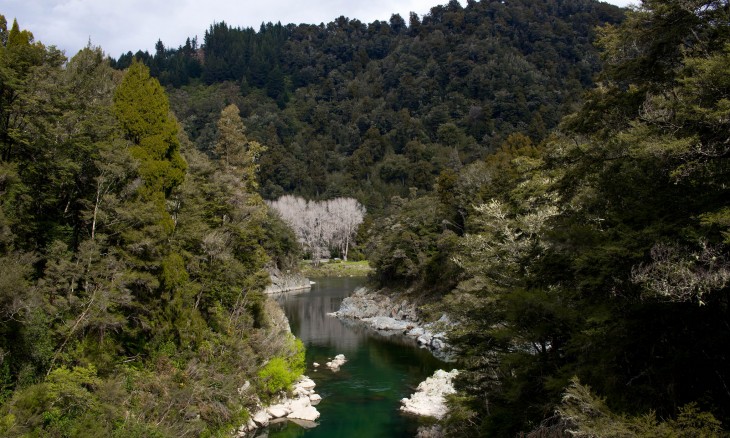
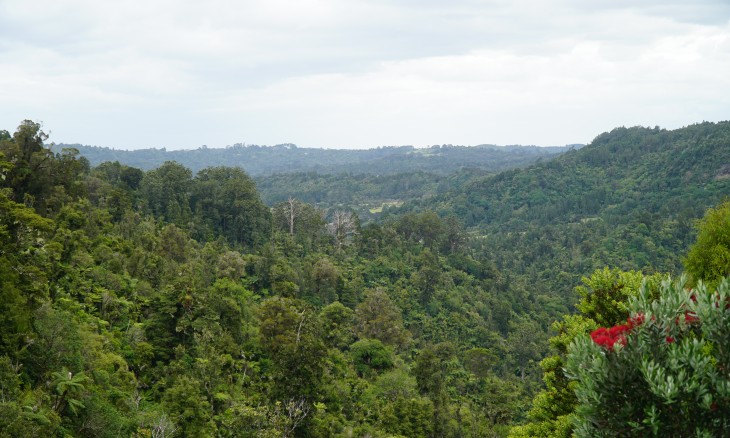
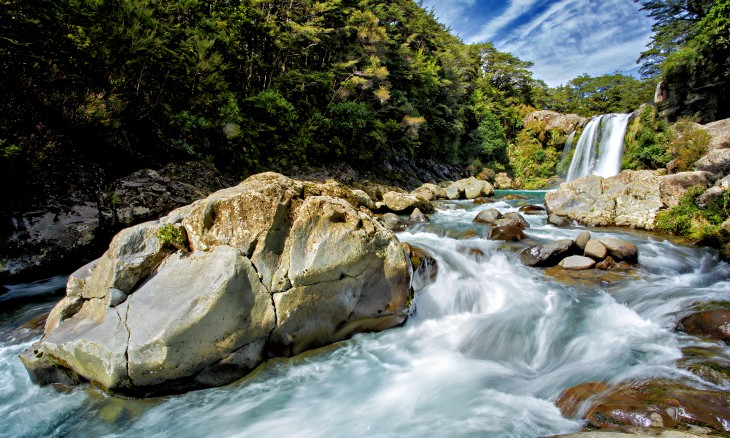
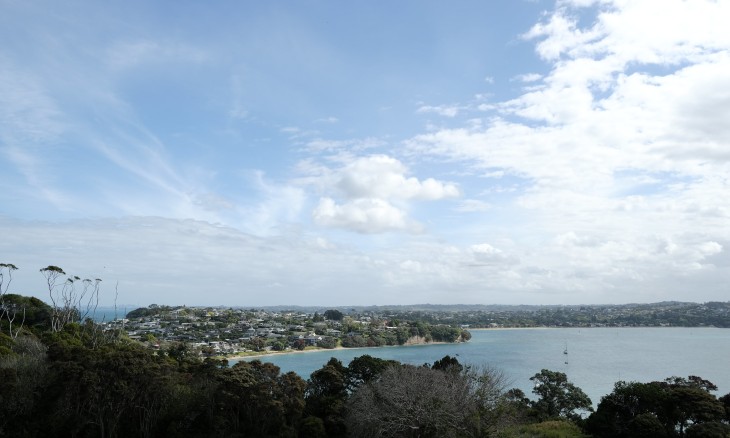
The Ronga River at Pelorus Bridge. Native long-tailed bats can sometimes been seen flying along its banks. Credit: Kimberley Collins Creative Commons
A small population of long-tailed bats roost in the large forest around the bridge and campsite. On warm summer evenings, bats can sometimes be seen in the twilight, circling high in the forest canopy or flying along the river.
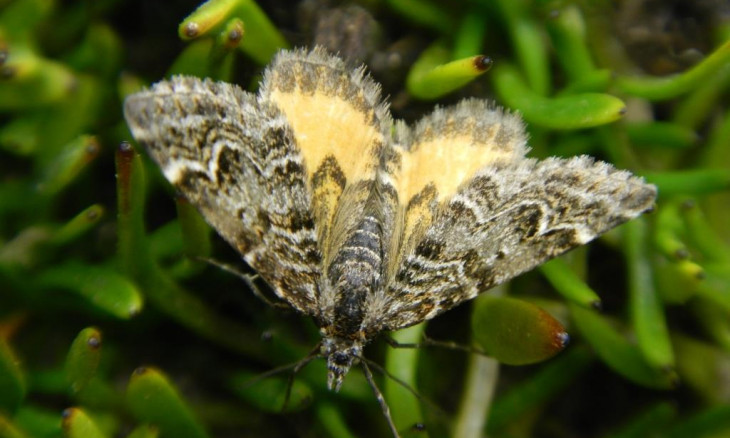
Later at night, they can often be glimpsed foraging for moths above the street lights.
Before humans settled in New Zealand about 700 years ago, three bat species were widespread and abundant. Now bats are rarely seen.
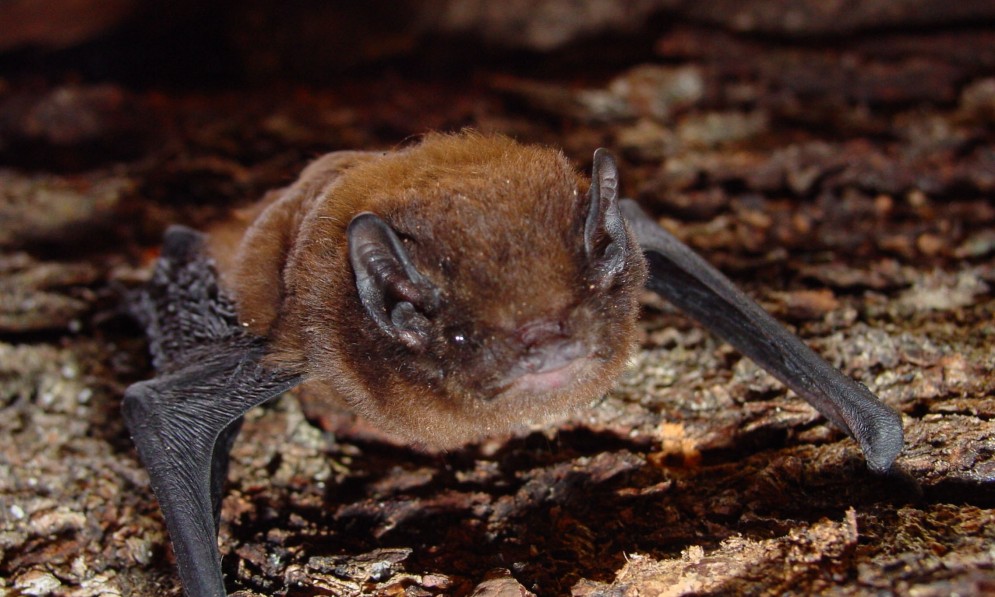
The long-tailed bat (pekapeka) is one of two bat species found in New Zealand. They are our only native land mammals. Credit: Colin O'Donnell
One species (the greater short-tailed bat) is already extinct and without intervention, the other two species (short-tailed and long-tailed bats) will probably be extinct on the mainland within 50 years.
The catastrophic and ongoing decline in New Zealand’s bats is a result of the mammalian predators (rats, stoats and cats) that arrived with humans, as well as habitat loss as land was cleared for farming and other uses.
New Zealand’s largest bat species, the greater short-tailed bat, died out on the mainland soon after Pacific rats arrived with Maori settlers. The other two bat species were still common during the early 19th century, but have since almost disappeared under the onslaught of mammalian predators and habitat loss that arrived with European settlers.
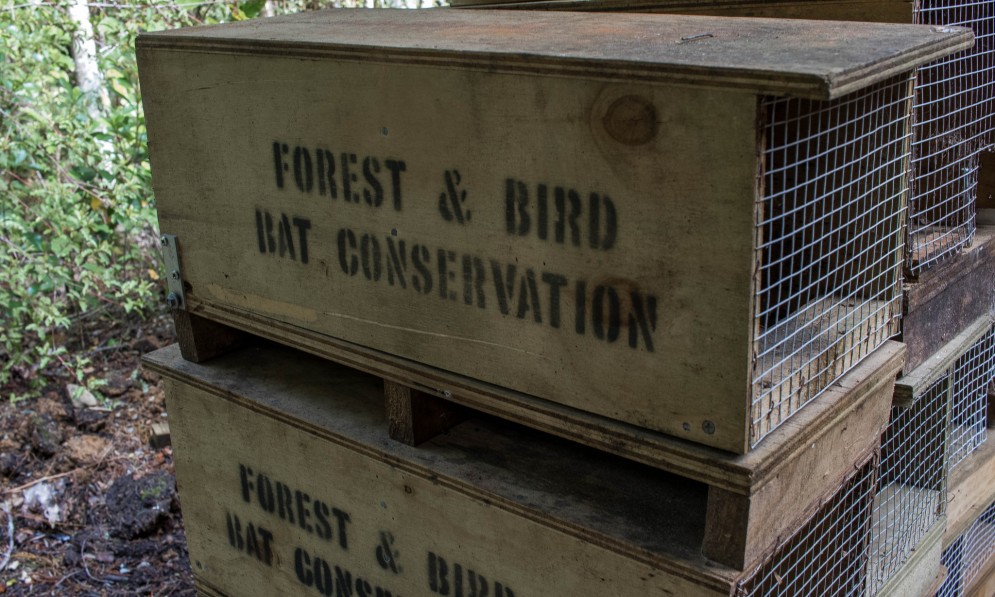
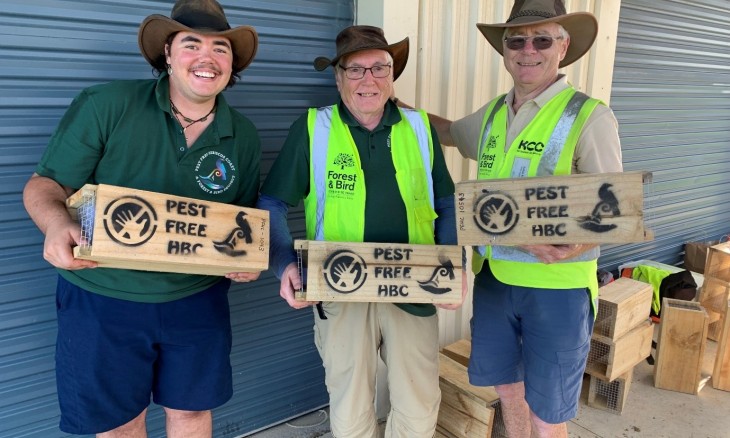
Trapping tunnels at Forest & Bird's Te Hoiere Bat Recovery Project. Credit: Kimberley Collins Creative Commons
Since 2010, Forest and Bird Nelson Tasman have been engaged in protecting the bat population at the Pelorus Bridge Scenic Reserve, initially through a volunteer trapping program.
In 2021, Forest and Bird received funding from Jobs For Nature and the Marlborough District Council Working for Nature/Mahi mō te Taiao grant scheme following the discovery of bat roosting sites in Pelorus Bridge and Rai Valley. Thanks to this funding, Forest and Bird launched the Te Hoiere Bat Recovery project aimed at restoring natural bat habitats. This work included the expansion of predator control trapping lines, noxious weed control, native tree planting, and seasonal bat monitoring.
Jobs for Nature funding supported the project for three years and enabled us to achieve some remarkable conservation outcomes, but that funding finished in March 2025.
The project is currently funded through the Un Cadeau Charitable Trust, the Te Araroa Trust, a Lottery Community Grant, a Marlborough District Council Mahi mō te Taiao Working For Nature Grant, and donations through Give a trap.
What can you do
Follow the project on Facebook or Instagram to see the latest news.
You can also get involved through regular volunteering or our annual Ronga Reserve planting days. The planting days are usually around August and are advertised through our social media pages or contact us for details.
Bioblitz: For their Environmental Sustainability class, the 2023's Marlborough Girls' College's Environmental Sustainability class began a bioblitz on iNaturalist. One 8 August 2023, they completed an introductory bioblitz at Te Hoiere along the Elvey’s waterfall track, documenting many species of flora, some birds, and one insect. They decided leave it running and open to new members with the aim that there will be a well established identification guide to Pelorus by 2030. Find out more and add to the bioblitz here: Pelorus Legacy Bioblitz (ESU 2023) · iNaturalist.