
Why it matters
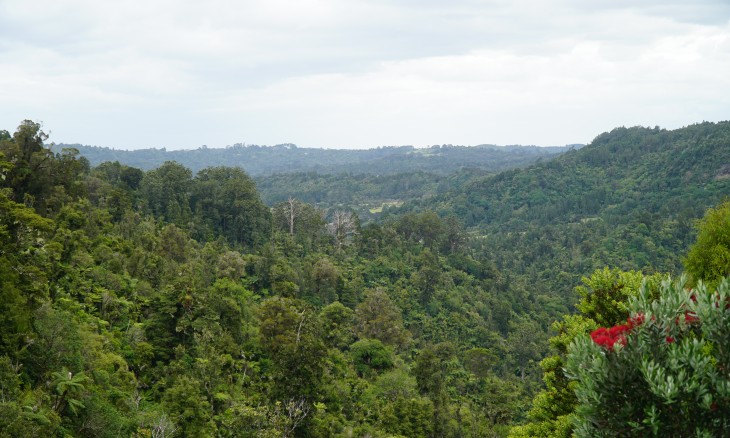
Due to its long geological isolation since breaking away from the supercontinent Gondwana about 80 million years ago, New Zealand’s plants and animals have developed down a unique evolutionary path.
"It is the nearest thing to studying life on another planet."
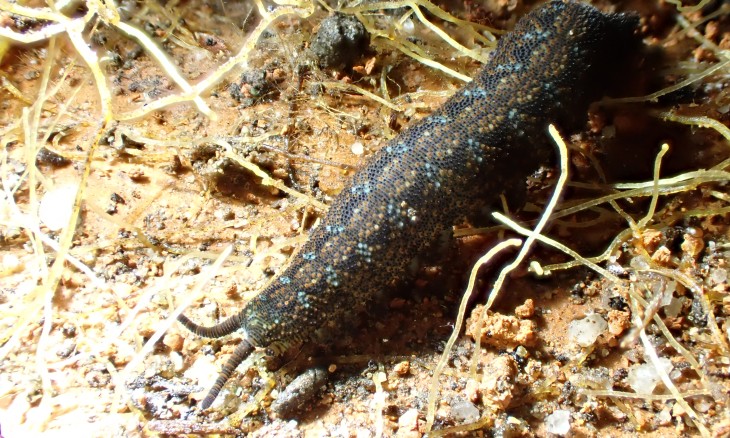
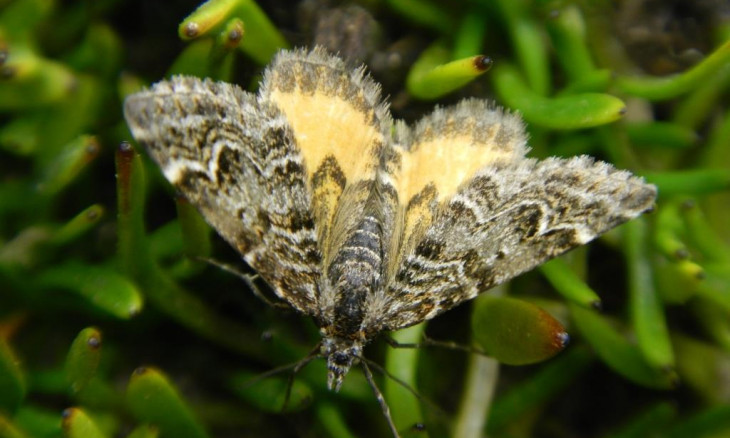
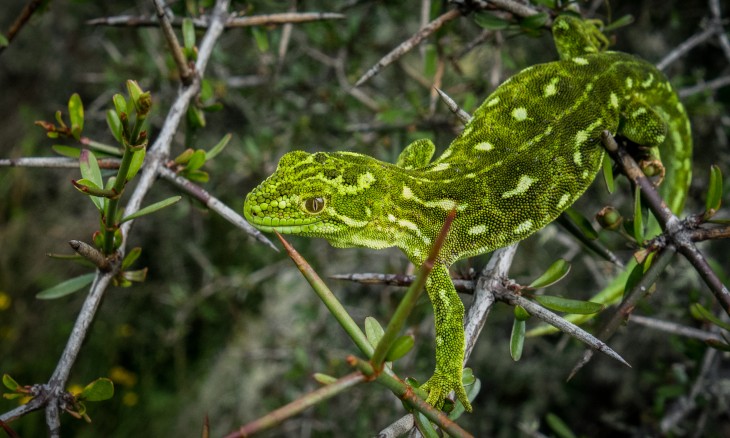
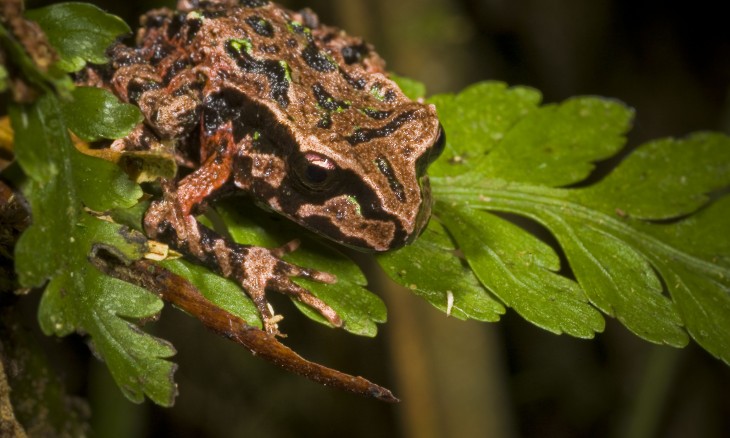
Many of our native plants and animals are endemic – that is, found nowhere else in the world. The level of endemism among New Zealand plants and animals is one of the highest in the world.
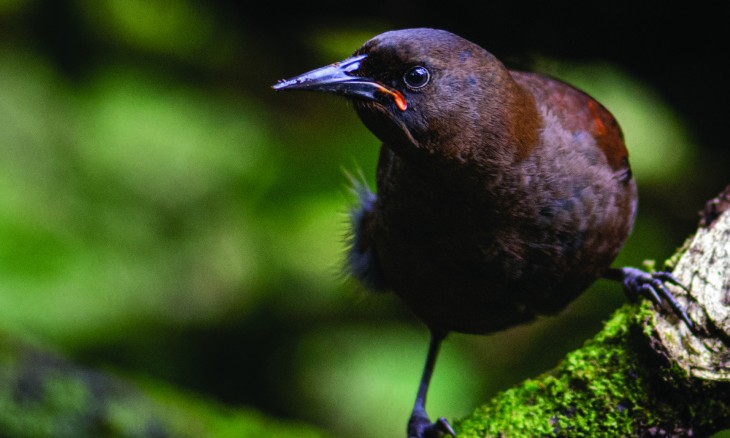
The tuatara, moa, kiwi, kōkako, saddleback, huia, kākāpō, native frogs and giant carnivorous land snails are just some of the species that are unique to New Zealand.
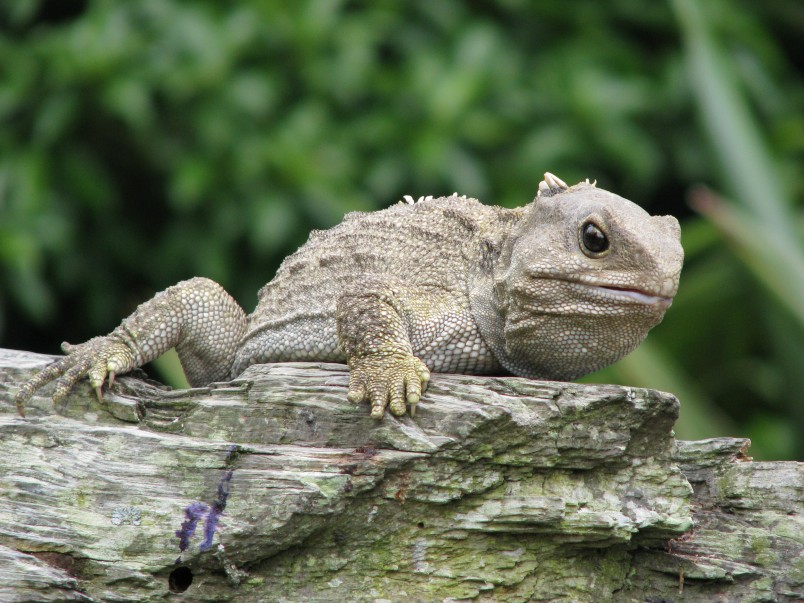
Credit: David Brooks
This isolation in the absence of mammalian predators for millions of years also meant that many of our native species were virtually defenceless against attack – for example, many of our native birds like the kiwi are flightless and nest on the ground.
When humans – first Maori and then European settlers – arrived in New Zealand, introduced mammals came with them: rats, possums, stoats, ferrets, weasels, deer, pigs, mice, cats, dogs and others.
These introduced species quickly took a heavy toll as they preyed and browsed on New Zealand’s largely defenceless native species, or competed with them. Human activities such as felling and burning vegetation and draining wetlands also destroyed much of the native species’ habitats.
Native species such as the moa, huia, and the world’s largest-ever eagle, the Haast’s eagle, the South Island kokako and many others became extinct. Many more, such as the takahe, the kakapo and the long-tailed bat were radically reduced in number and remain perilously close to extinction today.
What Forest & Bird is doing to help
Since our formation in 1923, Forest & Bird has played a vital role in turning around the precarious situation of many of our native plants and animals.
We have raised public awareness of the unique and special nature of our native wildlife, and have advocated for better protection for these vulnerable species. We also take part in hands-on projects to protect native species through habitat restoration and pest control.
Despite the efforts of Forest & Bird and other conservationists, many of our native species remain under threat of extinction – 4,000 species are threatened with extinction.
The threats they face – most importantly the threat of introduced pest species – must be better managed if our native plants and animals are to continue to survive.
Some of the threatened species we are working to help save include:
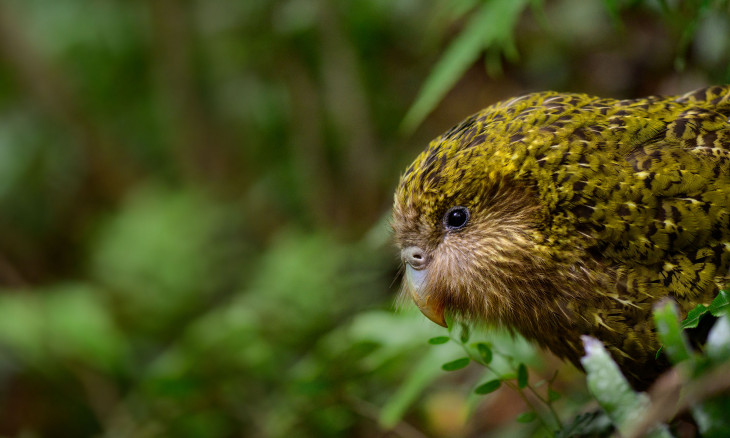
- Kākāpō. Forest & Bird is part of the Kakapo Recovery Programme that has helped turn around the decline in the kakapo’s population, which now numbers just over 200 birds.
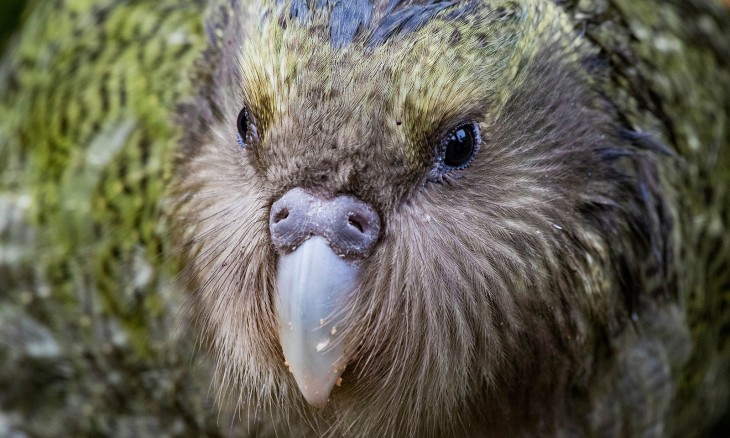
A juvenile kākāpō on Anchor Island. Credit: Kimberley Collins Creative Commons
- Whio (blue duck). Forest & Bird works with the Central North Island Blue Duck Trust to restore populations of whio – their population is slowly building.
- Kiwi. Our work with Save the Kiwi Trust helps protect kiwi from introduced predators so their populations can recover. Eggs are taken from the wild and hatched and the kiwi chicks are raised in predator-proof “kiwi creches” like our Bushy Park reserve till they are big enough to fight off predators.
- Kōkako. The range of kokako has been reduced by 90% (1970s to 2007) but recent breeding successes under the Kokako Recovery Programme (in which Forest & Bird is a partner) means their population is now increasing.
- Albatross. New Zealand is known as the world albatross capital as many of these ocean-going birds are found in our territorial waters. Forest & Bird is part of the international Save the Albatross campaign to help protect albatrosses from by-catch deaths in fisheries.
- Fairy tern. Forest & Bird is working to save the critically endangered Fairy tern by creating an alternative breeding site.
- Long-tailed bat (pekapeka). In an effort to protect these critically endangered creatures we’ve initiated a Bat Protection Project with the help of volunteers, DOC, Ngati Kuia, and our on-the-ground bat expert, Dr Brian Lloyd. The project is taking a two-pronged approach to bolster this bat population: pest control combined with population & food-source research.
Our nationwide campaigns for more effective pest control and the protection and restoration of native habitats means that many more of our native species have a better chance of rebuilding their numbers. However, they still need further help to ensure their survival.