
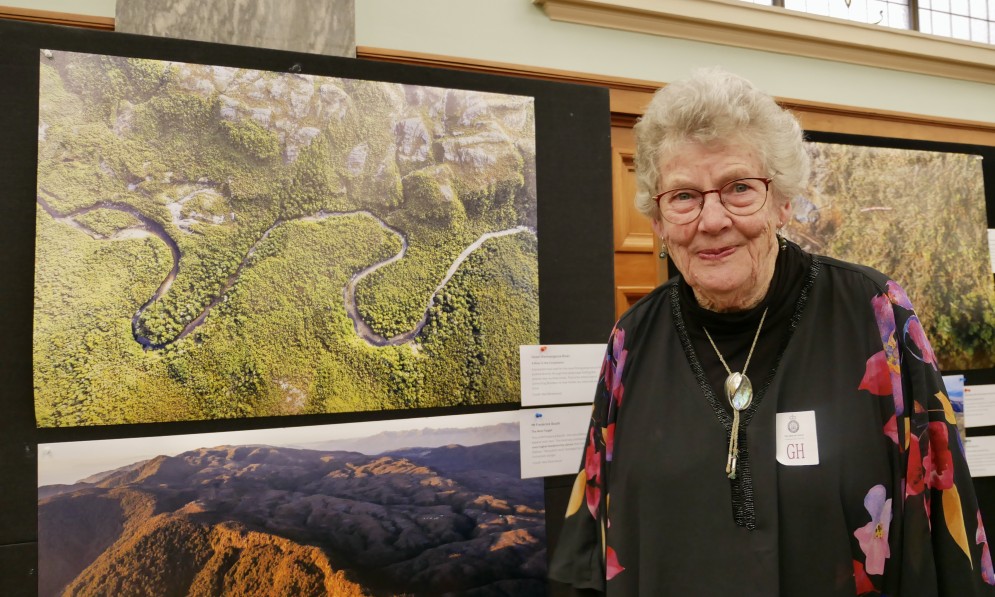
Jenny Pattrick at the premiere of Forest & Bird’s Save Denniston documentary at Parliament. Image: Caroline Wood
Jenny Pattrick explains why she is supporting Forest & Bird’s campaign to save Denniston. By Caroline Wood.
Forest & Bird magazine
A version of this story was first published in the Summer 2025 issue of Forest & Bird magazine.
Acclaimed historical novelist Jenny Pattrick OBE was propelled to fame after penning her first book The Denniston Rose (2003) and its sequel Heart of Coal (2004), which went on to become two of New Zealand’s best-selling novels.
Set in the isolated coal-mining settlement of Denniston, near Waimangaroa, during the 1800s, her books helped turn the plateau, which is situated on public conservation land, into a tourist destination.
Jenny is backing the campaign to Save Denniston from opencast coal mining. She supports turning this unique ecological mainland island into a living museum – by designating it a scientific reserve.
“When the first suggestions were out there for mining on Denniston, I felt quite conflicted because my whole story has been about mining on Denniston so I stayed quiet,” said Jenny. “But now I can’t stay quiet about it. I know it’s wrong to mine there.
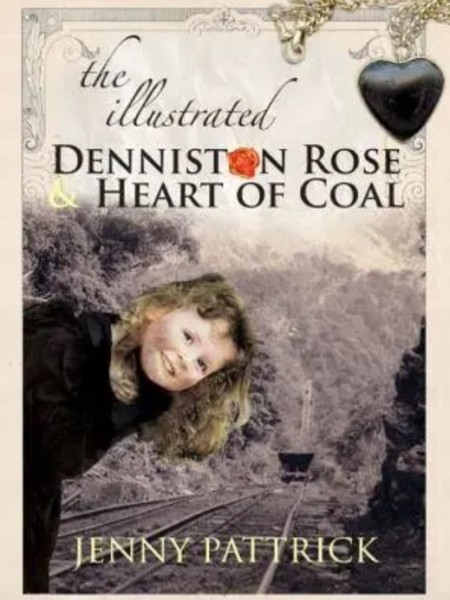
This special edition combined Denniston Rose and Heart of Coal with a wealth of historic illustrations.
“I have to stand on one side or the other – I’m for conservation. The Save Denniston documentary shows how unique this place is and how devastating open-cast mining would be.
“I didn’t realise that Bathurst was wanting to mine such a huge area, really huge! An immense part of the Denniston Plateau, which is so special and unusual.
“No doubt the Stockton Plateau was like that too once, now it’s just an open pit. They can’t do that to Denniston too.”
During her research for the Denniston novels in the early 2000s, Jenny witnessed the devastation caused by a small open-cast mine at the nearby Cascade mine. It closed in 2015 after it became uneconomic to extract the coal.
“We saw, and photographed, the coal seam and the out-of-proportion devastation of the hillside and bush in that beautiful regenerating valley,” she said.
“This was just a very small opencast mine ... seeing the scale of what Bathurst has got planned for Denniston, it must be stopped.
“In the 1880s, Denniston’s underground mining was ingenious: the engineers worked out how to bring the coal down from the high plateau in the days when coal was needed. It’s not needed now.
“Those people were clever and thought outside the square. What is happening now is lazy thinking. They just want to rip out the coal.
“Clever thinking would be a scientific reserve, where we study what has happened there and learn about the plateau’s animals and plants, and celebrate its history. I would love to see that.”
If the government designated Denniston Plateau a scientific reserve, it would mean mining would be prohibited forever.
Scientists could study the plateau’s internationally significant geology, climate, plants, and animals.
Domestic and international visitors could come and learn about New Zealand’s unique biodiversity and fascinating mining history.
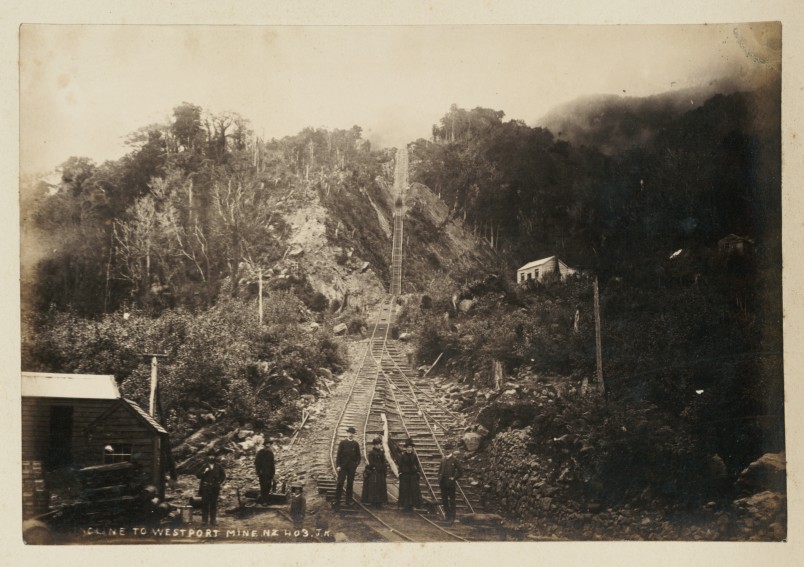
Locals called the Westport Coal Company’s Denniston Incline the eighth wonder of the world. Image 1880s–1890s. Image: James Ring/Alexander Turnbull Library.
Jenny Pattrick’s latest novel Sea Change is about a Kāpiti Coast community devastated by a tsunami. It’s a story of survival, tenacity, and a fierce love of home.