Haere mai ki Te Reo o te Taiao – Welcome to Forest & Bird. Regular GivingMembership
Donate Now!
Submit
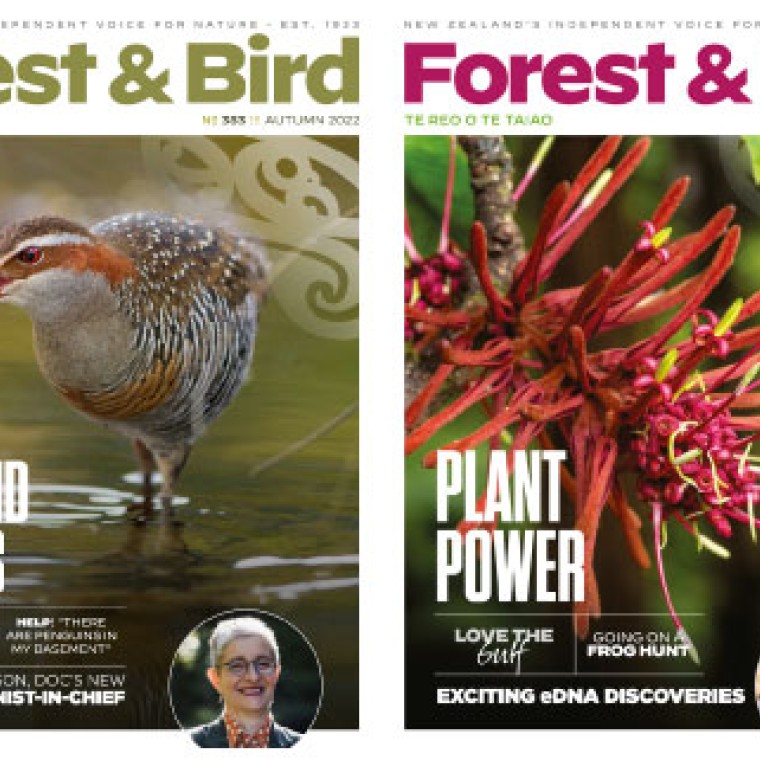
Become a member of Forest & Bird and receive our popular quarterly magazine, full of articles, images and photographs of New Zealand’s unique wildlife and wild places.
Get involved by coming along to a working bee on the first Saturday of each month.
Check out our Facebook Group: Kakahu Bush Ecosystem here for updates!

Joy Sagar
Ines Stäger
Supporting Forest & Bird is one of the best things you can do for New Zealand's environment. We need people like you to support us, so that nature will always have a voice.
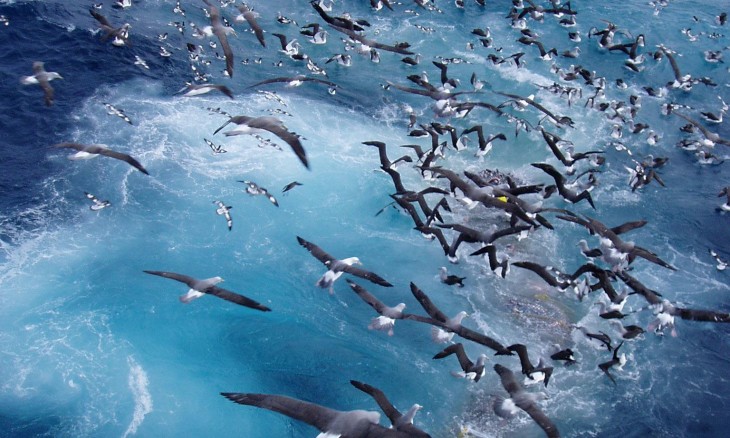
New research is uncovering the secret lives of tāiko Westland petrels at their breeding colony on the West Coast.
Unlocking the secret lives of Aotearoa New Zealand’s oceanic manta rays. By Lydia Green
A version of this story was first published in the Spring 2025 issue of Forest & Bird magazine.
Forest & Bird’s Kiwi Conservation Club (KCC) is inviting New Zealanders of all ages to embrace the outdoors with its Summer Adventure Challenges, running from 8 December 2025 to 1 February 2026.
Thank you for standing with us and being a strong voice for nature over the past year. None of the following conservation highlights would have been possible without you.
Jenny Pattrick explains why she is supporting Forest & Bird’s campaign to save Denniston. By Caroline Wood.
Forest & Bird is deeply concerned by the Environment Select Committee’s report on the Fast-track Approvals Amendment Bill, which ignores overwhelming public opposition and expert advice.
Fisheries New Zealand (FNZ) is seeking feedback on a package of 19 proposed changes to commercial fishing regulations.
This strategy drives our efforts to protect and restore te taiao over the next five years. We want to inspire and empower New Zealanders to speak, stand and act for our indigenous nature.
From restoring native forests that prevent landslides to creating urban wetlands that manage flooding, nature-based solutions protect our communities while supporting biodiversity and climate resilience.
* indicates required
Back to top